
What Happens to Donated Junk Items: The Real Journey

Table of Contents
What Happens to Donated Junk Items: The Short Answer
The Step-by-Step Journey of Collected Items
Stage 1: Collection and On-Site Pre-Sort
Stage 2: Intake and Condition Assessment
Stage 3: Donation and Reuse Routing
Stage 4: Recycling and Material Recovery
Stage 5: Final Disposal
What Happens to Donated Furniture
What Items Should Not Be Donated
What Happens to Clothes in Recycling Bins
How to Donate Household Items Responsibly
How to Verify Donation and Recycling Claims
Questions to Ask Before You Book
Documentation to Request
Signs of Responsible Handling
Signs of Greenwashing
Verify the Receivers, Not Just the Hauler
Conclusion
Frequently Asked Questions
Last Updated: October 18, 2026
What Happens to Donated Junk Items: The Short Answer
Most donated junk items never reach a person in need. This guide from Junk Outlawz breaks down the real journey, stage by stage, so you know what actually happens after the truck pulls away.
Here is the honest version. A small portion of donated junk gets reused. A bigger portion gets sold through thrift stores to fund charity programs. The rest gets sorted for scrap value or dumped.
That last part matters most. Many people assume "donation" means "reuse." In practice, donation is a sorting process, not a guarantee. Below, we walk through each stage, explain what gets accepted and rejected, and show you how to check whether a hauler's donation claims are real.
Key Takeaway Donation is a filter, not a promise. The best way to raise the reuse rate of your unwanted items is to sort them before pickup and donate the good pieces directly.
The Step-by-Step Journey of Collected Items
Most articles describe where donated junk ends up. Few show how it gets there. This section walks the full sequence, collection, sorting, condition assessment, donation routing, recycling, and final disposal, so you can see exactly where an item's fate is decided and where it can go wrong.
Stage 1: Collection and On-Site Pre-Sort
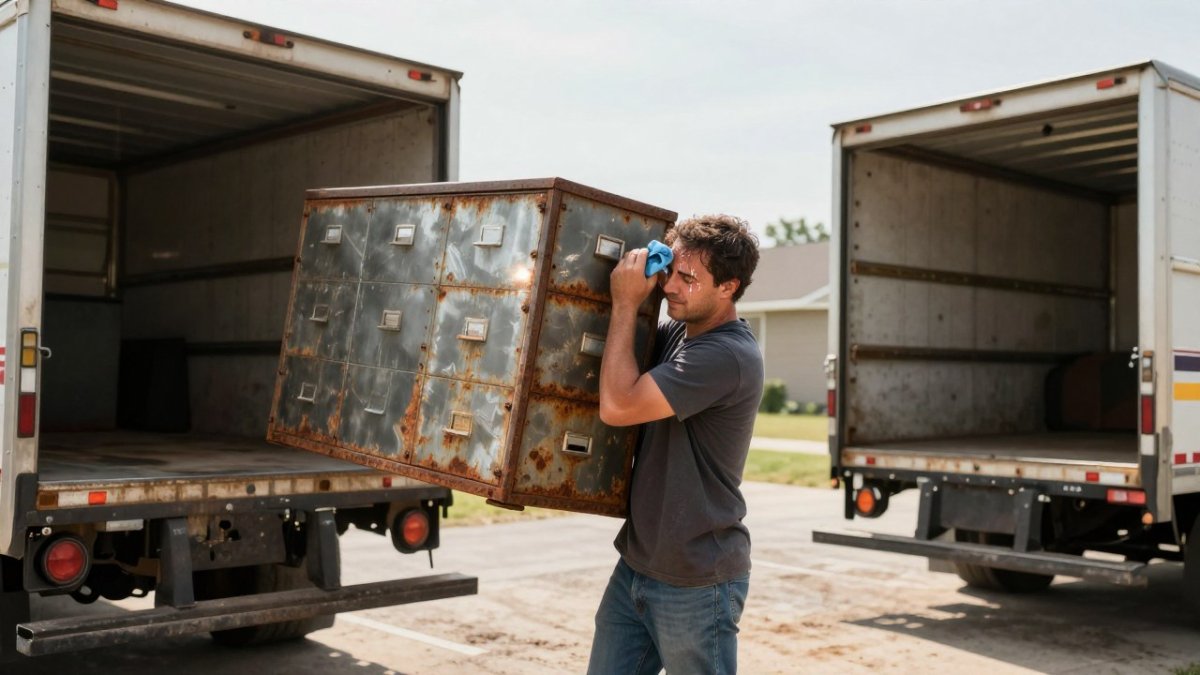
A crew arrives, walks the pile, and loads it. Good crews sort as they load: furniture in one zone, appliances in another, bagged trash kept separate. This early pass matters because once items are crushed together in a truck, a usable dresser can become unsellable in minutes. Ask any hauler you hire whether they pre-sort on site or simply load everything into one bay.

Stage 2: Intake and Condition Assessment
Back at the yard, each item gets a quick condition check. The decision is usually a three-way question: can this be resold or donated, can the material be recovered, or does it need disposal? Workers look for tears, missing hardware, stains, odors, and safety issues. Items that pass move toward donation or resale. Items that fail move toward recycling or the landfill. This is the single most important checkpoint in the journey, and the one most haulers never document.
Stage 3: Donation and Reuse Routing
Usable goods go to charities, thrift stores, or resale outlets. The routing depends on what the receiving organization will actually accept that week. Charities set acceptance rules by category and condition, and those rules change with storage capacity, staffing, and local demand. A clean dresser may be accepted on Monday and refused on Friday if the store's floor is full. This is why "we donate everything usable" is a claim worth verifying rather than accepting.
Stage 4: Recycling and Material Recovery
Metal, cardboard, and some electronics go to recycling. Scrap metal has real commodity value, which is why many haulers separate it first. Cardboard is bulky but widely accepted. Electronics are trickier: working units may be resold, while broken units need an e-waste recycler that handles data-bearing devices and hazardous components. Ask specifically where e-waste goes, because "recycled" can mean resold, dismantled, or shipped to a processor.
Stage 5: Final Disposal
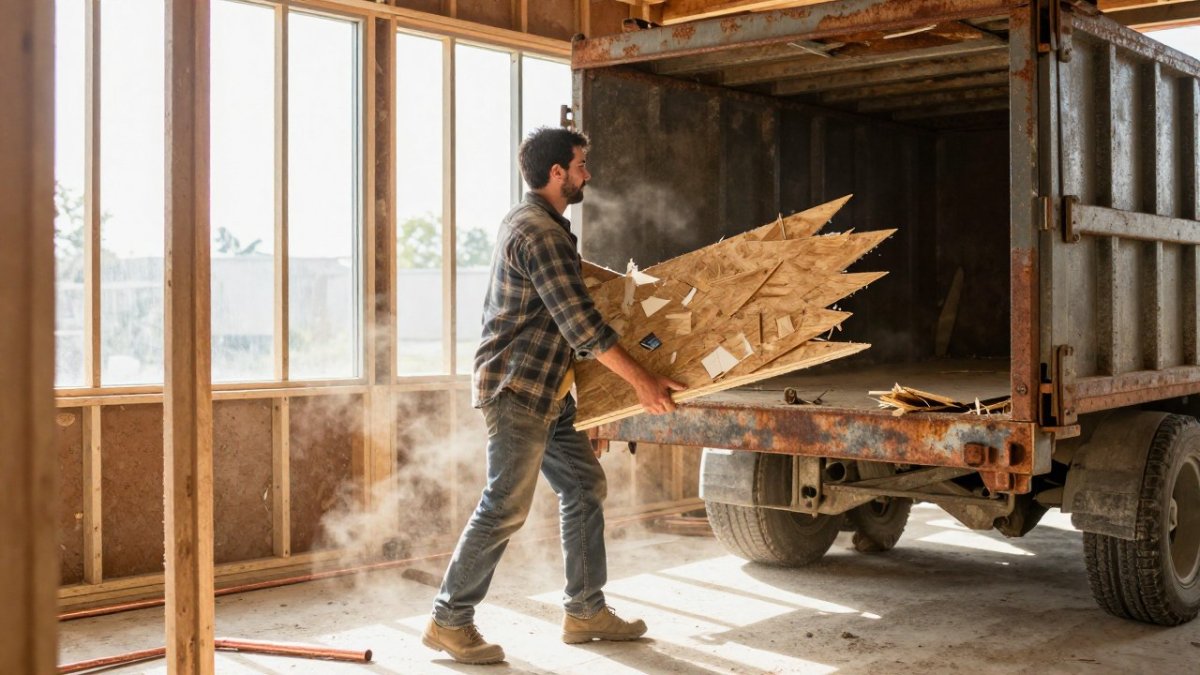
Broken items with no recovery value go to a landfill or transfer station. Transfer stations consolidate loads before long-haul disposal, which adds cost and distance but keeps small haulers viable. This final split is where most of the environmental impact is decided, and where the difference between a responsible hauler and a dump-and-run operation shows up.
Stage | What Happens | Decision Point | Typical Outcome |
Collection | Crew loads and pre-sorts on site | Is the item intact enough to handle separately? | Items grouped by type |
Intake | Staff inspect for damage and safety | Reuse, recycle, or dispose? | Pass/fail decision per item |
Donation routing | Good items sent to charity or resale | Will the receiver accept it this week? | Second life for usable goods |
Recycling | Metal, cardboard, e-waste recovered | Is there a buyer or processor? | Material recovery |
Disposal | Broken, contaminated items | Is there any recovery value left? | Landfill or transfer station |
Key Takeaway The fate of a donated item is decided at three points: the on-site pre-sort, the yard condition check, and the receiver's acceptance rules. Ask a hauler how they handle each one before you book.
What Happens to Donated Furniture
Most donated furniture does not get reused as-is. Sofas with torn fabric, stained mattresses, and broken recliners usually fail the condition check. Solid wood tables, dressers, and clean upholstered pieces have a much better shot at resale or donation.
The catch is hygiene and safety. Charities often refuse mattresses and heavily worn upholstery because of bedbugs and fire-safety rules. If you want a couch or dresser to actually get reused, clean it first and photograph it. A clean piece with clear photos moves fast. A stained one usually does not.
What Items Should Not Be Donated
Some items should never go in a donation pile. They either pose a health risk, break easily, or cost charities money to dispose of.
Mattresses with stains, tears, or bedbugs
Broken glass and sharp debris
Paint, chemicals, and solvents
Used medical waste and needles
Recalled car seats and cribs
Moldy or water-damaged furniture
Old tube televisions and damaged electronics
Expired food and opened toiletries
Those items belong in proper disposal or recycling streams, not a donation bin. Putting them in a donation pile shifts the problem onto the charity.
Watch Out Mixing broken or hazardous items into a donation load can get the whole load rejected. Charities pay to dump contaminated donations, and many now refuse mixed loads outright.
What Happens to Clothes in Recycling Bins
Clothes dropped in a recycling bin rarely stay local. Most get sorted by fabric type and condition. Wearable pieces go to thrift stores or get exported for resale. Worn-out pieces get cut down into rags, insulation, or industrial wiping cloths.
The problem is contamination. Wet, moldy, or heavily soiled clothing often gets tossed. A common mistake is bagging clothes in plastic that traps moisture. Use breathable bags and keep items dry. That single step raises the reuse rate more than almost anything else.
How to Donate Household Items Responsibly
Responsible donation starts before the truck arrives. Sort first, clean what you plan to give, and separate the trash. A little prep work goes a long way.
Wash and dry all clothing before bagging
Wipe down furniture and appliances
Test electronics and note any faults
Bag loose parts and hardware with the item
Keep hazardous waste out of donation piles
Call the charity first to confirm what they accept
Photograph higher-value items for resale listings
A common mistake is donating items that need repair. Most charities cannot fix things. If you want a broken item reused, list it for free online and be upfront about the fault.
Pro Tip Call ahead to confirm current acceptance rules. Donation criteria change often, and a five-minute call saves you a rejected drop-off and a second trip.
How to Verify Donation and Recycling Claims
"We donate and recycle everything we can" is easy to say and hard to check. The gap between a hauler's marketing and its actual disposal practices is the single biggest source of consumer confusion in this category. Here is a practical framework for telling verified diversion from vague claims.
Questions to Ask Before You Book
Ask direct questions and listen for specifics. A reputable hauler should explain where items go without hesitation. Vague answers are a red flag.
Which charities and recycling facilities do you use, by name?
Do you sort on site, at a yard, or not at all?
Can you provide a written breakdown of donation, recycling, and landfill rates?
Do you issue donation receipts for donated goods?
How do you handle e-waste, appliances, and mattresses specifically?
What happens to items a charity refuses?
A hauler that cannot name a single receiving organization is likely dumping. A hauler that names partners but cannot describe the sorting step is likely overstating diversion.
Documentation to Request
Ask for documentation before the job, not after. Useful documents include a written diversion summary, donation receipts from named charities, and recycling facility names you can look up. Some haulers provide a post-job report showing what was donated, recycled, and landfilled. If a company offers no documentation at all, treat its donation claims as unverified.
Signs of Responsible Handling
Responsible handlers tend to share a few visible patterns. They sort before loading. They separate scrap metal and cardboard as a matter of routine. They can explain why certain items are refused. They are willing to let you see the yard or at least describe it in detail. They do not promise that everything will be donated, because that promise is not credible.
Signs of Greenwashing
Watch for claims that sound good but cannot be checked: "100% recycled," "zero landfill," or "everything goes to charity." No hauler handling mixed junk can guarantee those outcomes. Also watch for donation language used to justify a premium price without any documentation behind it. The tell is always the same, a strong claim with no named partner, no receipt, and no breakdown.
Verify the Receivers, Not Just the Hauler
You can check a charity's acceptance rules directly by calling or visiting its website. You can look up whether a named recycling facility accepts the materials in question. This takes a few minutes and tells you more than any review section. If the hauler names a partner, confirm the partner exists and accepts the category of goods you are discarding.
Watch Out A donation receipt is not proof of donation by itself. Confirm the receipt comes from a named charity and matches the items you actually discarded. A receipt from the hauler's own entity is a weaker signal than one from the receiving organization.
Local rules vary a lot. Curbside recycling, donation center policies, and landfill fees differ by county and city. That means the same item can have a very different outcome depending on where it is handled, and it means a hauler's claims should be checked against local facility rules, not just its own marketing.
Conclusion
The real challenge is not getting rid of junk. It is making sure usable items actually get reused instead of just relocating to a landfill. Most donated junk items only reach a second life when someone sorts and preps them properly.
Junk Outlawz makes that easy. We handle the heavy lifting, sort every load, and route usable goods to donation and recycling partners. Same-day hauling and upfront pricing mean you know what to expect before we arrive.
Call Junk Outlawz at 352-830-1517 to schedule a pickup and reclaim your space the responsible way.
Frequently Asked Questions
Does a junk removal company actually donate usable items, or does everything go to the landfill?
Reputable haulers sort each load before disposal. Usable items like furniture, appliances, and household goods are separated for donation to local charities or thrift stores, while broken items go to recycling or landfill. Ask the company where it takes donations and request a receipt or donation record. Junk Outlawz sorts, donates, and recycles whenever possible, and you can ask for details on where your items went.
What items should never be donated to a charity shop?
Skip donation for mattresses with stains or bedbugs, broken appliances, recalled products like car seats, hazardous materials, and heavily soiled clothing. Charities pay to dispose of unusable donations, which cuts into their programs. If an item is torn, missing parts, or unsafe, recycle it or arrange proper disposal instead. When in doubt, call the donation center first and describe the item's condition.
How can I find out where a junk removal company takes donations?
Ask directly before booking: which charities or thrift stores they use, whether they provide donation receipts, and how they handle items that cannot be resold. A transparent hauler will name its donation partners and explain its sorting process. You can also ask for a landfill diversion rate. If a company cannot answer basic questions about where your items go, that is a warning sign.
What happens to clothes in recycling bins if they are too worn to wear?
Worn clothing rarely becomes new fabric. Most textile recyclers sort it into categories: reusable pieces go to thrift stores, while torn items become wiping rags, insulation, or stuffing for furniture and car seats. A small share is incinerated or landfilled. Keep clothes clean and dry, bag them separately, and never leave them in open bins where rain ruins the whole batch.
Call US 352-830-1517

Comments